If you’re a parent or caregiver, the first few months of a baby’s life can feel like a whirlwind of milestones—smiles, coos, and the occasional diaper disaster. Yet, amidst the chaos, a few subtle cues might hint at developmental differences, including autism. Knowing where should I look for early signs of autism in infants can feel like searching for a needle in a haystack, but it doesn’t have to be. This article walks you through the most telling signs, offers practical tips, and keeps the tone light enough to make the journey a little less daunting.

Understanding the Landscape
What Is Autism Spectrum Disorder?
Autism Spectrum Disorder (ASD) is a complex developmental condition that affects autism in toddlers social interaction, communication, and behavior. It’s called a “spectrum” because the traits can range from mild to severe, and each child’s experience is unique.
> “Early intervention is the key that unlocks a world of possibilities for children with autism.” – Dr. Jane Smith, Developmental Pediatrician
Why Early Detection Matters
Detecting autism early—ideally before the age of two—can open doors to targeted therapies that accelerate social, cognitive, and motor development. Think of it as a GPS that helps guide a child toward their full potential.
Key Early Signs to Watch For
Social Engagement
- Eye Contact: Does your infant look at you when you speak? A lack of eye contact can be a red flag. Response to Voice: Does your baby turn their head toward a familiar voice? If they seem indifferent, keep an eye on it. Smile and Laughter: A delayed or absent social smile may signal atypical social development.
Communication Cues
- Verbal Attempts: By six months, many babies babble. A noticeable absence of babbling could be a concern. Gestures: Does your infant wave, point, or use other gestures? Limited use of gestures is worth noting. Response to Name: If your baby doesn’t turn toward their name, it might be worth discussing with a pediatrician.
Repetitive Behaviors
- Hand Flapping or Rocking: Repetitive movements are common in autism. Rigid Routines: An infant who insists on a specific feeding or sleeping pattern may exhibit early rigidity. Sensory Sensitivities: Overreactions to light, sound, or touch can surface early.
Motor Development
- Gross Motor Skills: Delayed rolling over, sitting, or crawling can be early signs. Fine Motor Skills: Difficulty reaching for or grasping objects might indicate motor delays.
Rhetorical Question
Have you ever wondered if your little one’s silence is a sign of a deeper story? It’s natural to pause and ask, “Could this be an early hint of autism?” The answer isn’t always clear, but keeping a gentle watchful eye helps.
When to Seek Professional Help
Timing Is Everything
If you notice any of the above signs, schedule a developmental screening with your pediatrician. Most children receive routine screenings at 9, 18, and 24 months, but early concerns can warrant an earlier evaluation.
What to Expect During an Evaluation
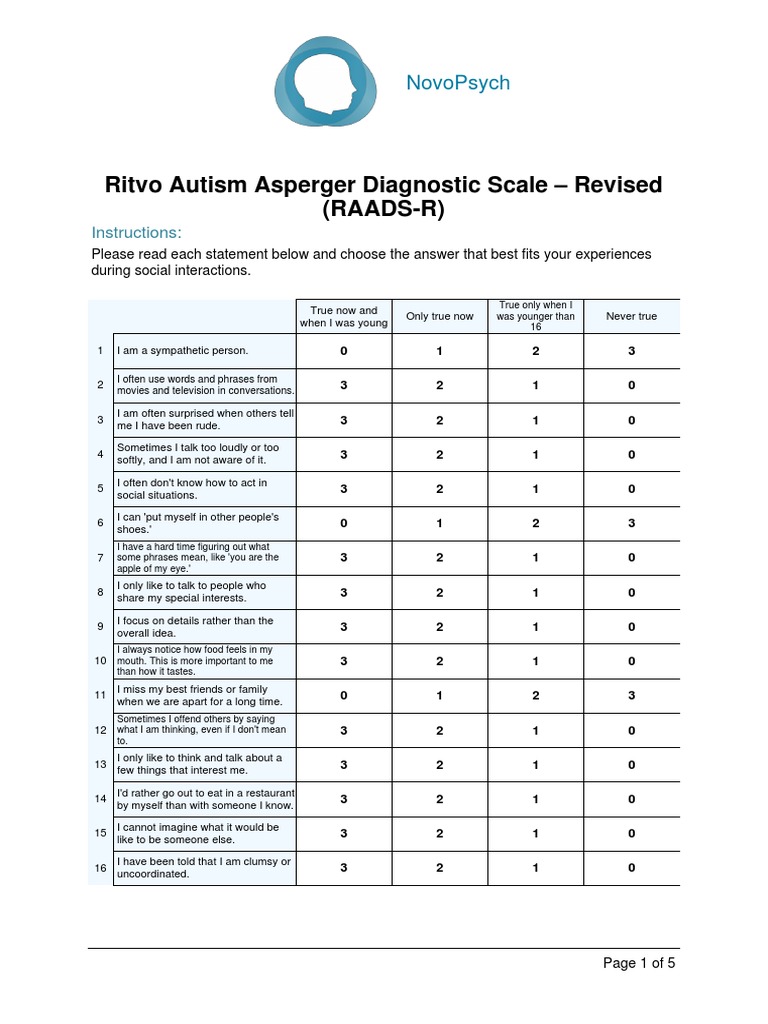
- Developmental History: Your child’s growth timeline and family medical history. Standardized Tests: Tools like the Modified Checklist for Autism in Toddlers (M-CHAT) help quantify risk. Observational Assessments: Clinicians watch your child’s interactions in a controlled setting.
Anecdote
I once met a mother who told me, “I noticed my son didn’t look at my face when I sang. I thought it was just a phase.” A quick check revealed he was in the early stages of ASD, and early intervention helped him develop strong communication skills by age three. That’s the power of early detection.
Tools and Resources for Parents
Screening Apps and Checklists
- M-CHAT-R/F: A validated questionnaire you can fill out at home. Ages & Stages Questionnaires: A broader developmental screening tool.
Support Networks
- Local Parent Groups: Peer support can be invaluable. Online Communities: Forums like Autism Speaks and local Facebook groups.
Professional Services
- Speech and Language Therapists: Early speech work can boost communication. Occupational Therapists: Help with sensory integration and motor skills. Behavioral Therapists: Applied Behavior Analysis (ABA) is a common evidence-based approach.
Bullet Point Summary
- Early screening tools are accessible and user-friendly. Peer support provides emotional relief. Professional intervention can be tailored to each child’s needs.
Staying Positive and Proactive
Embrace the Journey
Remember, every child’s developmental path is a winding road. Celebrate small victories—like a first smile or a new word—just as you would a new pet’s first trick.
The Power of Routine
Consistent routines give children a sense of safety and predictability, which is especially beneficial for those on the spectrum.
Keep the Light Humor Alive
When the day feels overwhelming, a playful joke can lift the mood. For instance, “Why did the baby cross the road? To get to the other side of the developmental milestones!”—yes, it’s a stretch, but a chuckle can ease tension.
The Road Ahead: Empowering Parents
Understanding where should I look for early signs of autism in infants is the first step toward proactive care. By observing social engagement, communication attempts, repetitive behaviors, and motor milestones, parents can spot potential concerns early. When in doubt, a quick conversation with a pediatrician can set the right course.
Remember, early detection is not a verdict but a starting point. With the right support, resources, and a dash of optimism, you can help your child thrive on their unique path. If you notice any red flags, reach out to your healthcare provider—early intervention is the best gift you can give.